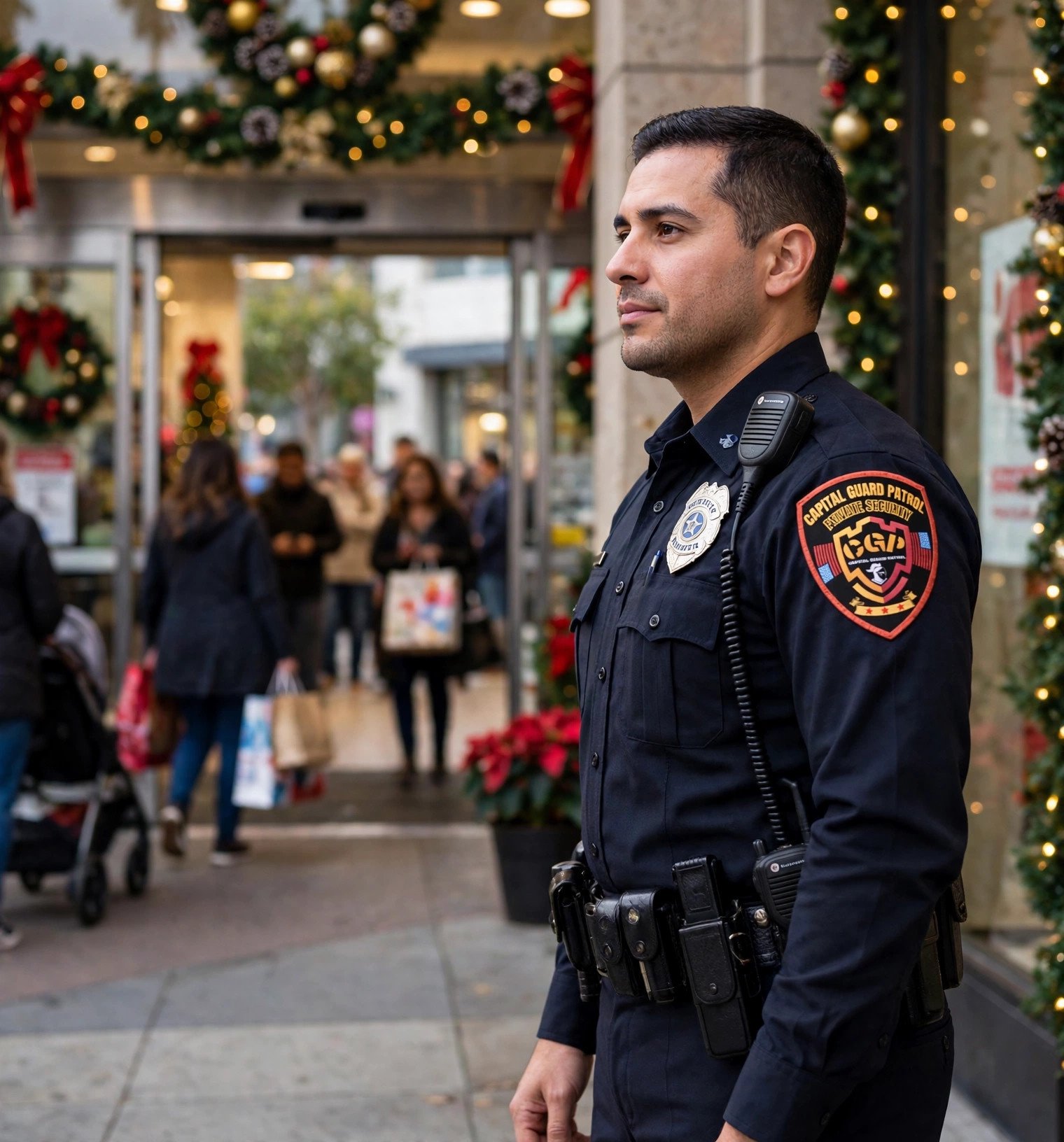
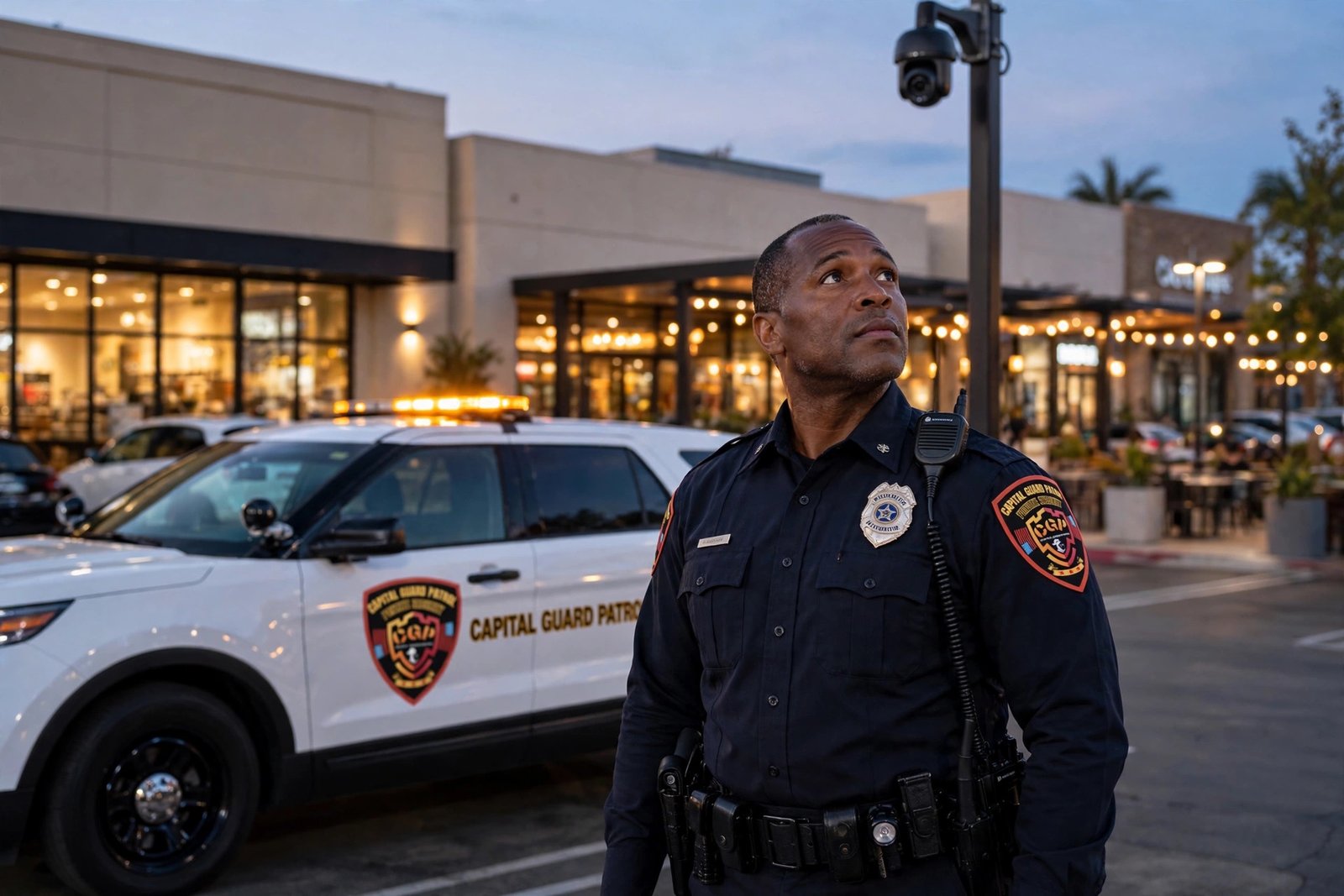
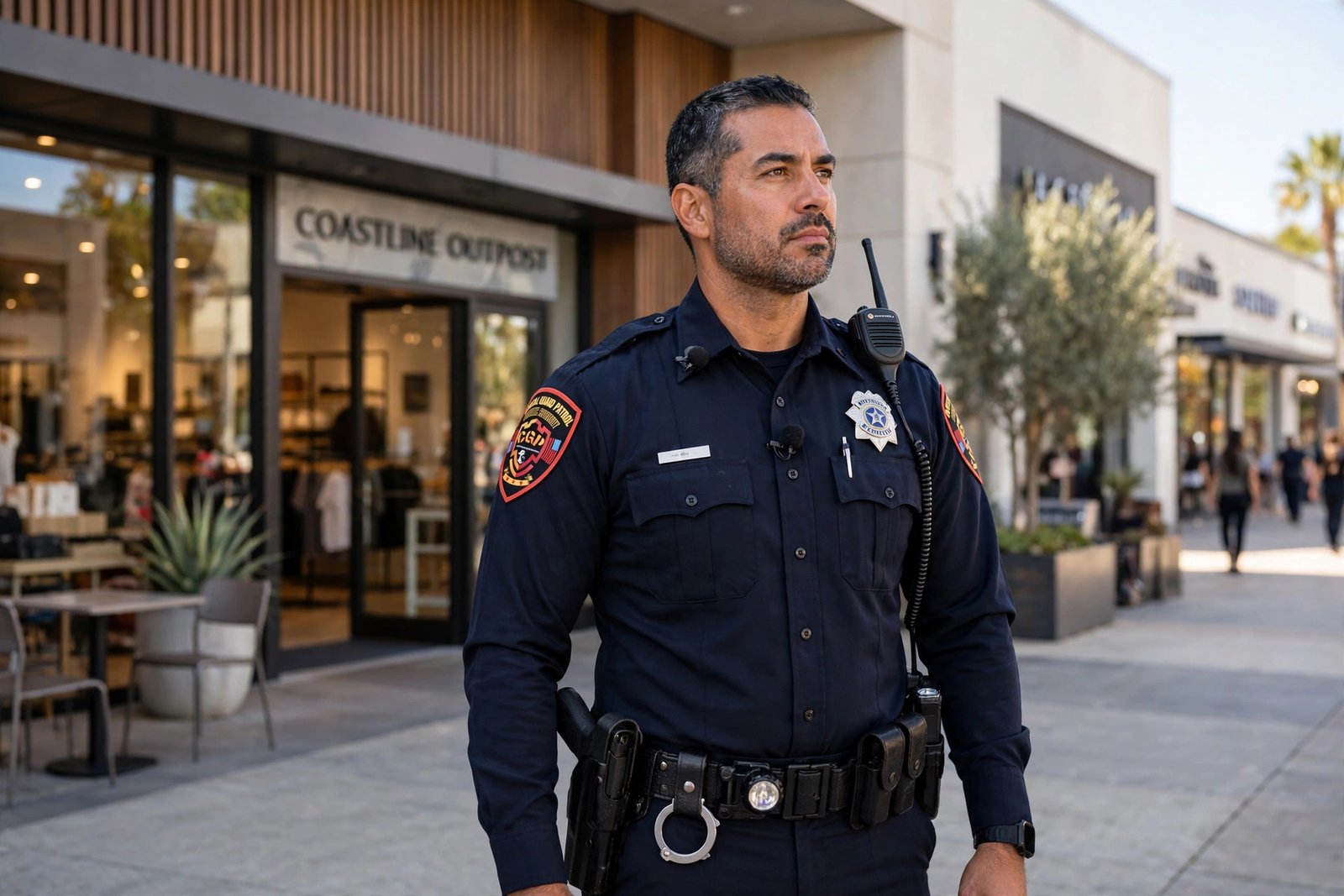
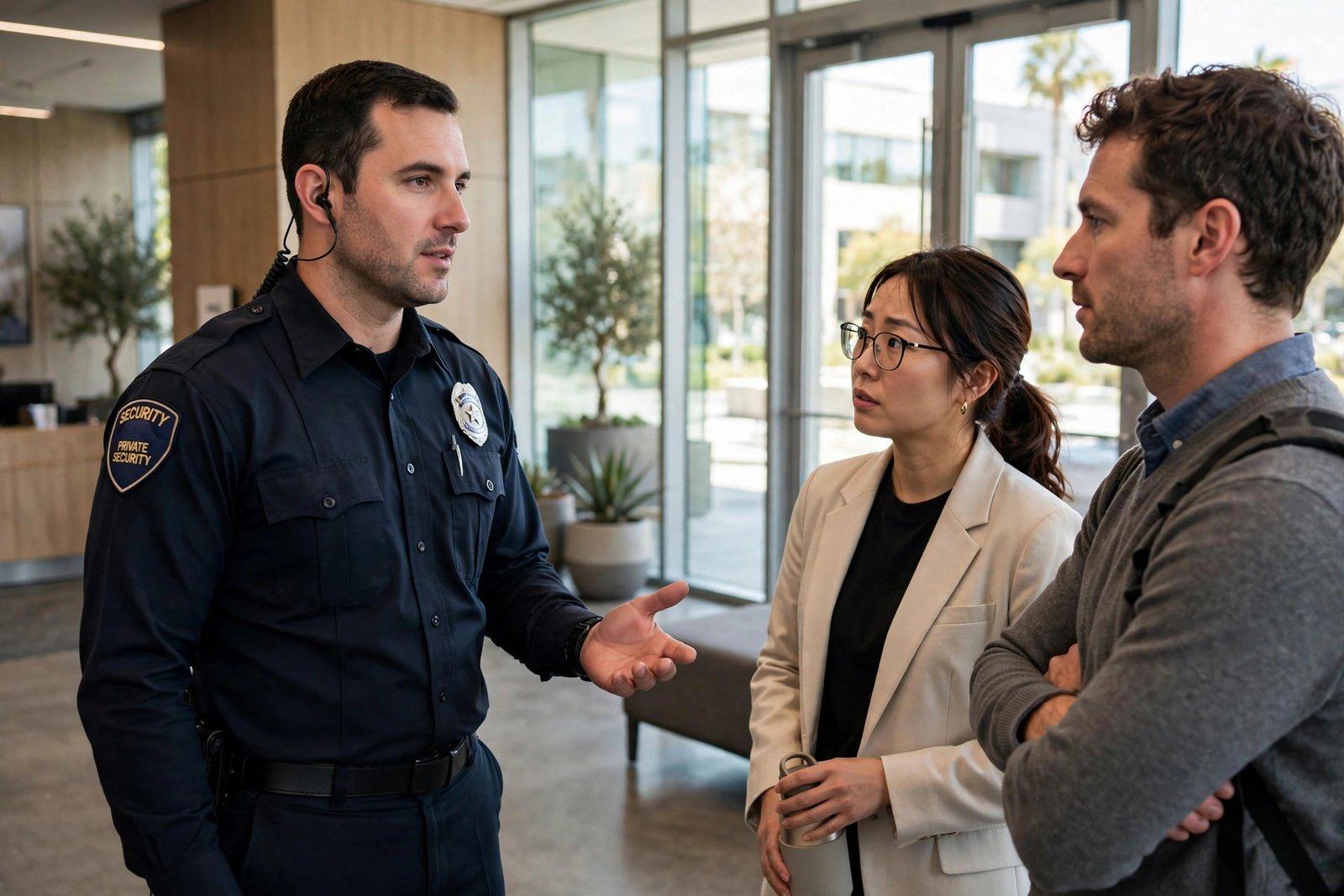
School campus security guards are back at the top of every administrator’s call list. In one week this October, a 14-year-old student smuggled a hunting rifle into a French school and shot his principal and a teacher, Harvard University issued a shelter-in-place order after a knife was brandished near campus, and Poland deployed more than 20,000 police officers to schools following a string of stabbing attacks. These were not abstract policy debates — they were mornings when campuses had to decide, in real time, whether the people at the door were ready.
What the October Incidents Tell Us
The pattern in this month’s incidents is consistent. In Aubagne, France, a ninth-grader entered school with a rifle hidden in a guitar case, fired at the principal, wounded a mathematics teacher, and shot into an occupied classroom — stopped only when a staff member overpowered him. At Harvard on October 14, a man with a knife near JFK Memorial Park triggered a shelter-in-place that locked down the Kennedy School while police searched the area.
Neither incident involved someone being seen as a threat early enough. Both were resolved by reaction, not prevention. That is exactly the gap a trained school campus security guard is hired to close.
What School Campus Security Guards Actually Do
A guard on campus is not just a uniformed presence at the front door. Professional campus coverage includes:
Controlled access at arrival and dismissal — The morning crush is a campus’s most vulnerable window. Guards manage check-in points, verify visitors, and keep drop-off traffic moving so staff are not left watching a crowd alone.
Perimeter and grounds patrols — Most campuses are porous: side gates, sports fields, parking lots, portable-classroom clusters. Randomized patrols keep sightlines on the places cameras do not cover.
De-escalation before a call to police — Fights, trespassers, agitated visitors, custody disputes at pickup — these escalate fast when handled by untrained staff. Licensed guards trained in de-escalation (a growing requirement in California) resolve most incidents without law enforcement ever arriving.
Emergency response coordination — When a shelter-in-place or lockdown is ordered, guards run the playbook: securing buildings, guiding responding officers to the threat, managing parent pickup chaos, and keeping communication lines clear.
After-hours and event coverage — Evening athletic events, theater performances, and board meetings concentrate hundreds of people with no staff plan in place. Dedicated guards give those events a security baseline.
Why California Schools Are Reconsidering
California law already places real expectations on anyone standing that post. Guards must hold a BSIS guard registration, and recent state training standards now require in-person, interactive training — including de-escalation practice — with penalties up to $10,000 per violation for non-compliant employers. Districts and private schools that use a professional security services provider get that compliance handled for them instead of managing licenses, training records, and liability themselves.
And the pressure is broader than schools alone. California employers face a tightening workplace violence prevention standard that takes full effect December 31, 2026 — school districts are workplaces too, and their violence prevention plans are getting new scrutiny.
The Real Question: Presence or Paperwork?
Cameras record. Guards intervene. Every October incident this month came down to a person making a decision in seconds — the staffer who disarmed the student in Aubagne, the officers who flooded JFK Street. A camera at a school entrance would have filmed those mornings perfectly and changed nothing. A trained guard on site is the difference between documentation and defense.
School safety is never about one measure. It is access control plus patrols plus trained people plus a plan everyone knows. But of all those layers, the one that adapts to the moment is the human one.
Campus safety cannot wait for the next headline. Capital Guard Patrol Inc. provides school campus security guards, arrival/dismissal coverage, event security, and emergency response support for schools and districts across California, including Los Angeles, Orange County, San Diego, and the Inland Empire. Call (800) 640-1235 for a free campus security assessment.